
Auto-published by Growwh – a smarter way to scale content and marketing. Want to know more? Chat with us.
TL;DR: Dynamic liquidity aligns capital with real-time trade flows to close the $2.5T trade finance gap. India’s MSMEs need agile SCF, powered by AI, blockchain and policy reforms, to scale into regional hubs.
Regional trade is reshaping supply chains — liquidity must follow
As global commerce fragments into regional corridors across Asia, Africa, Latin America and the Middle East, the old credit playbook is failing. The $2.5 trillion trade finance gap risks widening unless financing becomes agile enough to move with goods, invoices and payment terms. For India — where MSMEs account for nearly 45% of exports — this is a make-or-break moment: without timely working capital, many firms will be stuck as peripheral vendors rather than grow into core regional suppliers.
Ready to take your brand to the next level?
At Growwh, we help startups and emerging brands grow faster with powerful content, creator collaborations, and tech solutions.
Explore what we do →
What is dynamic liquidity in supply chain finance?
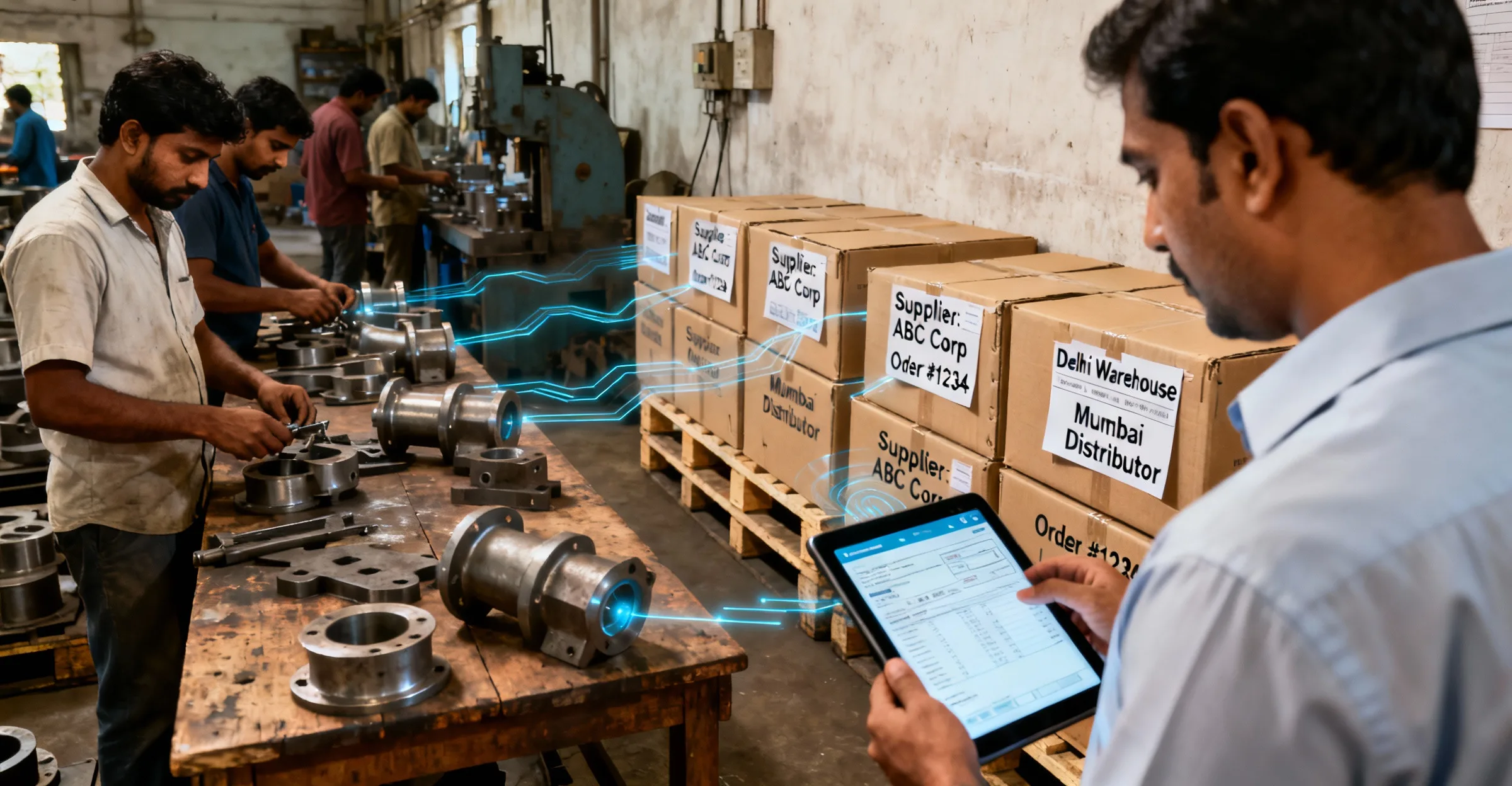
Dynamic liquidity describes financing that adapts in real time to trade flows, allowing capital to flow when and where it is needed across the value chain. Unlike static SCF products designed for long-haul, predictable transactions, dynamic liquidity responds to overnight shifts in orders, currencies and payment terms. That means a Tier II auto-parts manufacturer in Pune can scale quickly to serve ASEAN networks if financing can be unlocked at the same pace as orders and shipments.
Why India’s MSMEs need finance that moves with trade
MSMEs in textiles, pharmaceuticals, electronics and auto components often face rigid eligibility criteria and slow underwriting. Technology-driven solutions are changing that picture by opening new pathways to liquidity and reducing dependency on expensive informal credit. To convert export potential into real business growth, MSMEs need financing that anticipates cycles, supports larger orders, and reaches deep tiers of suppliers.
Technology and policy are accelerating access
Several innovations are making dynamic liquidity practical:
- AI-driven credit scoring: uses transaction histories and real-time supply flows to evaluate creditworthiness beyond traditional balance-sheet metrics.
- Blockchain and smart contracts: streamline cross-border payments, reduce friction and enhance transparency for regional trade.
- Deep-tier financing: unlocks liquidity for second- and third-tier suppliers — the small workshops that form the backbone of manufacturing.
- Policy enablers: digitisation of customs, adoption of MLETR and mandatory onboarding of large corporates onto TReDS by March 2025 are compressing invoice-to-cash cycles.
For ongoing market analysis and evolving regulatory context, consult insights and trends in trade finance and liquidity to understand how these changes are reshaping regional corridors and capital flows.
Reframing SCF as trade infrastructure
Supply chain finance must be treated as core infrastructure — alongside logistics and payments — rather than a stopgap cash solution. When SCF functions as an integrated plumbing for trade, liquidity binds fragmented corridors and keeps goods, data and capital moving. That shift requires cooperation across corporates, financiers, platforms and policymakers to deliver interoperable, real-time financing rails.
Practical steps for businesses, financiers and policymakers
Actionable measures can accelerate the transition to dynamic liquidity:
- For MSMEs: adopt digital invoicing, join credible SCF and TReDS platforms, and pilot dynamic discounting to improve cash conversion cycles. Practical operational guidance is available in guides and how-tos for business finance and supply chain topics.
- For corporates and financiers: implement AI-based underwriting, extend deep-tier programs, and design sustainability-linked SCF to lower costs and reward responsible suppliers.
- For policymakers: accelerate MLETR adoption, streamline customs digitisation, and ensure interoperability standards so liquidity can flow across borders and platforms.
To support implementation, teams can leverage ready-made resources and playbooks — explore tools and templates for financial planning and supply chain optimization to standardise processes, speed execution and measure impact.
How dynamic liquidity improves competitiveness
When liquidity arrives at the right time, manufacturers can accept larger export orders, scale production for regional hubs and invest in productivity. Faster invoice-to-cash cycles reduce reliance on costly informal credit and enable MSMEs to transition from reactive suppliers to strategic partners in global value chains. The result: stronger, more resilient regional ecosystems where capital and goods flow together.
Conclusion: Treat liquidity as the glue of regional trade
Regional trade will continue to redraw supply chains. To ensure India and other regional hubs capture the opportunity, supply chain finance must evolve into a dynamic liquidity infrastructure — one that is fast, programmable and inclusive. The next wave of growth for MSMEs depends not just on what they make, but on how quickly and reliably capital reaches them.
Start building dynamic liquidity into your operations today: study market insights and trends in trade finance and liquidity, follow practical guides and how-tos for business finance and supply chain topics, and adopt ready-to-use tools and templates for financial planning and supply chain optimization.
Source
This article was auto-generated as part of a smart content campaign. Curious how we do it? Chat with us to learn more about our content automation systems.
Discover more from Growwh
Subscribe to get the latest posts sent to your email.