
Auto-published by Growwh – a smarter way to scale content and marketing. Want to know more? Chat with us.
TL;DR: Only ~1% of registered MSMEs in a 40,000-sample had working websites. Fix basic digital hygiene—HTTPS, mobile responsiveness, contact info and SEO—to unlock trust, customers and growth.
The digital credibility crisis for Indian MSMEs
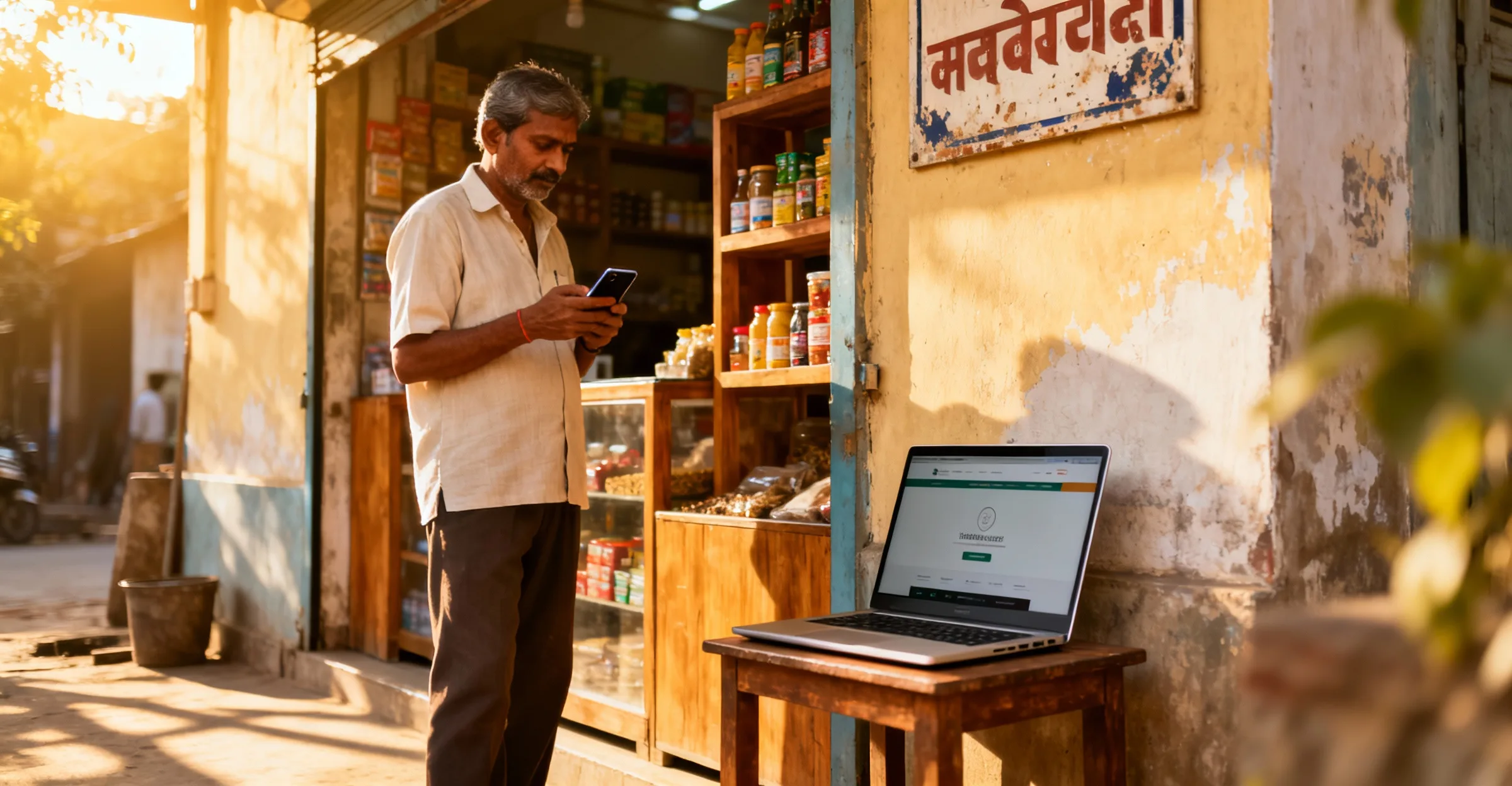
India’s digital infrastructure has transformed payments, commerce and services, yet most micro, small and medium enterprises remain offline. A recent analysis of 40,000 UDYAM-registered MSMEs found only 1% had a functional website. Without a reliable online presence, businesses lose discoverability, buyer trust and access to credit or platform opportunities.
Ready to take your brand to the next level?
At Growwh, we help startups and emerging brands grow faster with powerful content, creator collaborations, and tech solutions.
Explore what we do →
Key findings every MSME should know
- Estimated 6.82 million MSMEs in India; ~3.6 million are formally registered under UDYAM.
- From a 40,000-sample: 465 listed a website, and only 402 were functional at verification (~1%).
- Digital quality was poor: only 43 sites scored 6/6 on a basic Digital Quality Score (HTTPS, accessibility, mobile responsiveness, contact details, SEO title and site structure).
- Common issues: missing HTTPS, non-mobile-responsive pages, absent SEO titles and contact details, and inaccessible sites.
Why a website still matters in a smartphone-first market
Discovery is increasingly search-led. Mobile users expect fast, secure and responsive sites. International buyers, lenders and digital platforms often validate businesses online before engaging—no site often equals no deal. Fixing these fundamentals improves sales, export readiness, and investor confidence.
Minimum digital hygiene checklist
Before investing in advanced tools, ensure your basics are in place. Every business should have:
- HTTPS and valid security certificates to build trust.
- Mobile-responsive design for smartphone users.
- Clear contact details and an easy-to-find contact page.
- SEO-friendly title tags and meta descriptions for discoverability.
- Simple, consistent site structure and accessibility checks.
Practical steps to get online quickly
- Register a domain that reflects your business name and set up reliable hosting.
- Use a lightweight, mobile-first template or CMS and ensure HTTPS is enabled by default.
- Add clear contact info, product/service pages, pricing or enquiry forms, and an SEO title on every page.
- Run quick usability and security checks: mobile responsiveness, page speed, and certificate validity.
- List the business on local directories and optimize for local search to increase visibility.
Beyond the basics: marketing, identity and consistency
Once a reliable website is live, focus on getting found and trusted. Learn how digital marketing for Indian MSMEs can drive traffic and customer leads through SEO, local search and cost-effective paid channels. Strong visual identity also helps convert visitors—discover best practices in brand identity design for small businesses.
Create a repeatable brand system
Consistency matters across touchpoints: website, invoices, packaging and social posts. A simple brand kit saves time and keeps communications unified. If you don’t have one, learn to create a brand kit for your business to standardize logo use, colors, fonts and templates.
How improved digital readiness opens new opportunities
Digital visibility helps in multiple ways: it increases customer acquisition, validates trust for lenders and investors, and unlocks platform integrations and export leads. Even modest improvements—adding HTTPS, contact info and SEO titles—can materially raise your chances of discovery and conversion.
Quick action plan for MSME owners (30-day roadmap)
- Days 1–7: Buy domain, set up hosting, enable HTTPS, publish basic contact and product pages.
- Days 8–20: Make site mobile-responsive, add SEO titles and meta descriptions, list on local directories.
- Days 21–30: Create a simple brand kit, run accessibility and speed checks, and start a basic marketing plan.
Final takeaways
The absence of websites among Indian MSMEs is a solvable problem. Start with digital fundamentals and scale marketing and brand investments as your online credibility grows. Small actions today—secure hosting, responsive design, clear contact info and an organized brand kit—can unlock sales, trust and growth in a rapidly digital economy.
Ready to start? Use the checklist above, prioritize digital hygiene, and explore practical guides on digital marketing, brand identity and building a brand kit to make your MSME visible and credible online.
Source
This article was auto-generated as part of a smart content campaign. Curious how we do it? Chat with us to learn more about our content automation systems.
Discover more from Growwh
Subscribe to get the latest posts sent to your email.