Competing against 50-year-old Indian electrical incumbents like Crompton, Havells, Usha, and Bajaj seemed nearly impossible in 2015. Yet IIT Bombay alumni Manoj Meena and Sibabrata Das pivoted from industrial lab instrumentation to consumer ceiling fans—and scaled Atomberg 6.7x in four years from ₹143 crore in FY21 to ₹358 crore (FY22), ₹645 crore (FY23), and ₹958 crore in FY25, crossing the ₹1,000+ crore annual revenue milestone.
The Engineering Moat: 28W BLDC vs. 75W Induction
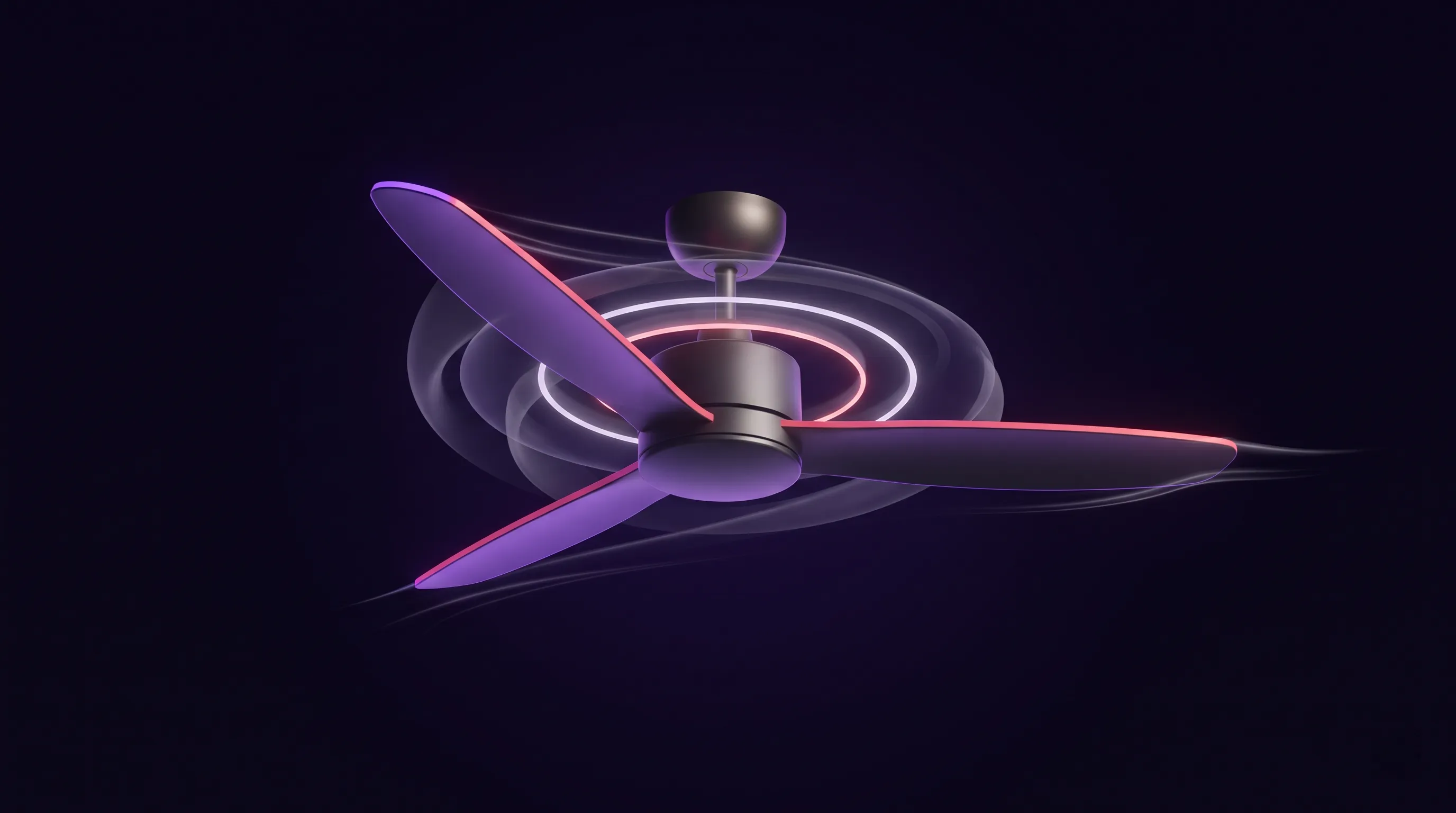
Traditional Indian ceiling fans ran on induction motors consuming 70–80 watts. Atomberg’s Brushless DC (BLDC) motor technology—anchored by its hero Renesa fan launched in 2018 at ~₹3,500 AOV—consumed just 28 watts, cutting electricity bills by 60%–65% while running up to 3x longer on home inverters during power cuts.
Even more importantly, Atomberg framed the higher sticker price around unmistakable payback math: “Pay ₹1,500 more upfront, save ₹2,500 a year in electricity—full payback in under 2.5 years.” Meanwhile, legacy giants could not pivot quickly because their factories and dealer margins were tied to induction motors, and BLDC required combined motor, electronics, and embedded algorithm engineering.
Owning the Search Shelf Before Competitors Woke Up
Between 2017 and 2019, “BLDC ceiling fan” emerged as a high-intent search query on Amazon India and Flipkart. Because Atomberg was the only focused BLDC-first portfolio at that inflection point, it captured thousands of 4.4★+ verified reviews and owned top-of-search rankings—selling over 3 million Renesa units across four years. By the time legacy brands launched copycat BLDC models in 2020–2021, Atomberg already owned the category’s organic shelf and review moat, helping push BLDC share from ~10% to ~35% of the Indian fan market.
Why Legacy Electrical Giants Couldn’t Copy Atomberg Fast
Traditional appliance leaders had massive dealer networks, but their entire P&L and distributor incentive structure depended on high-volume ₹1,500–₹2,200 induction fans. Launching an aggressive ₹3,500 BLDC portfolio threatened to cannibalize their core volume and required electronics and firmware teams they did not have in-house. Atomberg used that 3-year window to lock down Amazon/Flipkart category reviews, build regional YouTube credibility, and refine its direct-to-consumer and modern-trade supply chain before incumbents could respond.
4 GTM Lessons From Atomberg for Technical Products
- Prove ROI Visibly With Creators: Regional and Hindi YouTube tech reviewers holding live watt-meters next to old fans convinced skeptical Indian households faster than any print ad.
- Win Digital Pull Before Financing Offline Dealers: Traditional electrical distribution demands long credit cycles. Proving demand online first gave Atomberg leverage when expanding to thousands of offline counters.
- Lead With Payback Math, Not Engineering Jargon: Buyers care about lower monthly bills and longer inverter backup—translate technical specs into rupee savings.
- Expand Around Your Core Moat: Once Indian households trusted Atomberg for smart, energy-efficient hardware, the brand expanded cleanly into BLDC mixer grinders, smart door locks, and water heaters.
Want to turn technical product advantages into clear buyer demand? Request a Free Growth Audit or explore our Starter, Growth & Scale combos.