
Auto-published by Growwh – a smarter way to scale content and marketing. Want to know more? Chat with us.
TL;DR: Centre doubles ME-Card targets to 2 million in FY26, expanding digital credit up to Rs 5 lakh per MSME and unlocking Rs 1.5 trillion. Banks will use UPI, Account Aggregator data and a common loan form for faster, simpler onboarding.
What the ME-Card expansion means for MSMEs
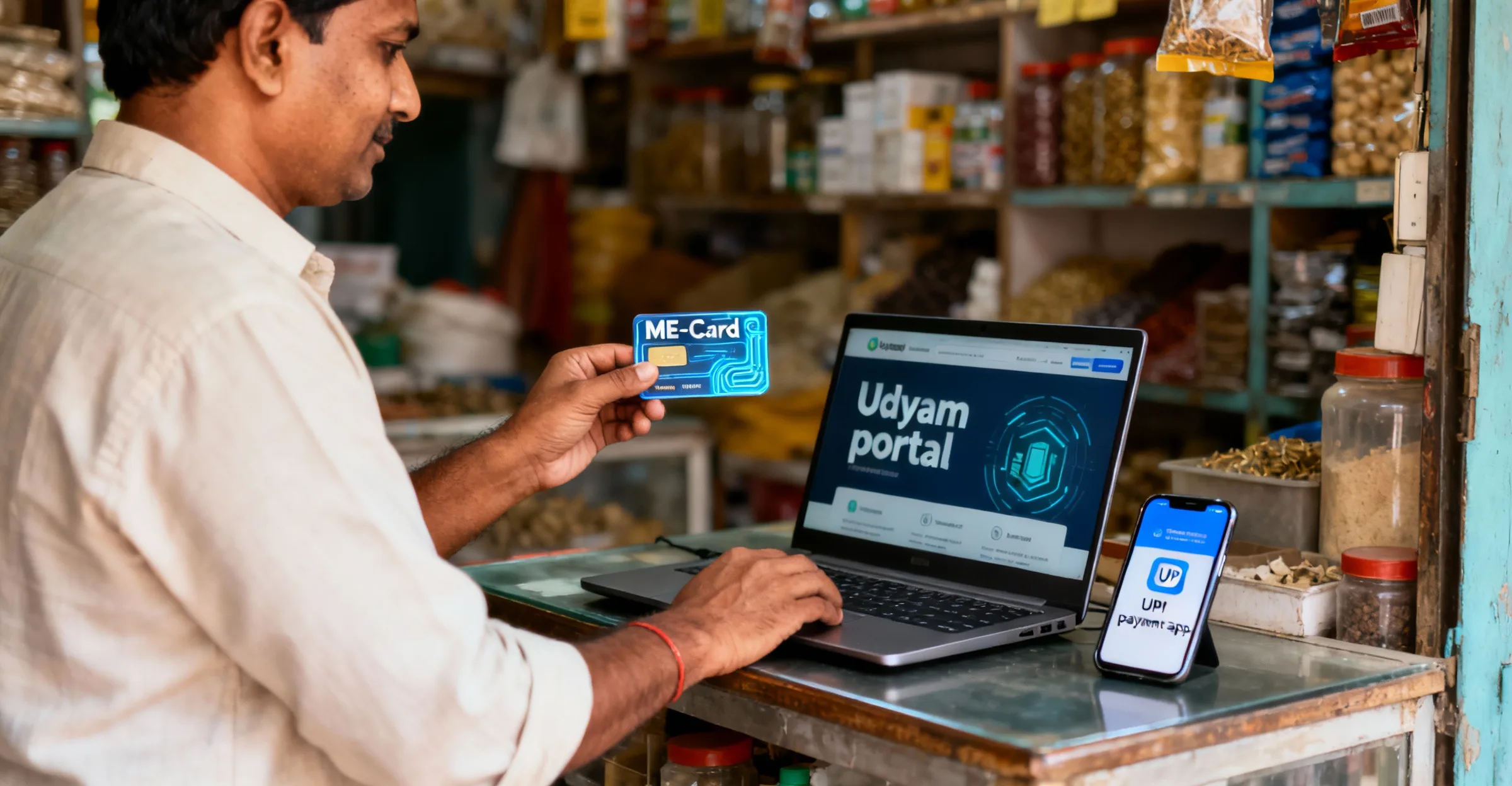
The Centre has directed banks to double their rollout target for Micro Enterprise (ME) Cards this year — moving from an initial goal of one million to a revised target of two million issuances in FY26. The ME-Card is positioned as a customised, low-cost working capital instrument for micro, small and medium enterprises (MSMEs) registered on the Udyam portal. For businesses and lenders tracking regulatory shifts, this update connects directly to broader MSME credit and startup policy updates in India.
Ready to take your brand to the next level?
At Growwh, we help startups and emerging brands grow faster with powerful content, creator collaborations, and tech solutions.
Explore what we do →
Key features and how they help
- Credit limit: Up to Rs 5 lakh per ME-Card, aimed at solving short-term working capital gaps for micro enterprises.
- Lower interest and guarantee cover: Designed with a credit guarantee and competitive pricing to reduce cost barriers for smaller borrowers.
- Digital onboarding: Entirely digital disbursal using simplified assessment models based on UPI transaction data, bank statements and the Account Aggregator (AA) framework.
- Export support: Export-oriented MSMEs may access term loans up to Rs 20 crore, supporting high-trade potential sectors.
How banks will implement the scheme
Banks are already assessing eligible borrowers and working toward a common loan application form to standardise lending across institutions. The focus on digital, data-driven underwriting—leveraging UPI flows and account-aggregation—aims to speed decisions and reduce paperwork. For practitioners and small businesses seeking implementation guidance and scheme comparisons, see curated MSME credit access and government schemes insights to align with the new ME-Card process.
Economic impact and market context
Officials project the initiative could unlock roughly Rs 1.5 trillion in additional credit over five years, improving financial inclusion and helping micro enterprises formalise and scale. This policy change should also be read alongside broader market developments affecting MSME financing and liquidity in India—framing why faster digital credit matters for growth and exports. For a deeper view of the Indian market backdrop and related financing programs, consult the Indian market context for MSMEs and financing programs.
What MSMEs should do next
Businesses registered on Udyam should ensure their digital records (bank statements, UPI flows) are accurate and accessible through the Account Aggregator framework to benefit from simplified assessments. Prepare basic financials, register or update Udyam credentials, and be ready to opt into digital onboarding once banks roll out the ME-Card offers. Lenders and fintech partners will benefit from integrating standard application forms and automated verification to scale origination efficiently.
Bottom line: the doubled ME-Card rollout accelerates accessible, digital working capital for millions of micro-enterprises, reduces procedural friction, and strengthens formal credit flows—positioning MSMEs to capitalise on domestic demand and export opportunities.
Source
This article was auto-generated as part of a smart content campaign. Curious how we do it? Chat with us to learn more about our content automation systems.
Discover more from Growwh
Subscribe to get the latest posts sent to your email.